There is a saying in Spain, which roughly translates as “If you haven’t seen Granada, you haven’t seen anything” (Quien no ha visto Granada, no ha visto nada).
Granada is a city steeped in Spanish history with a treasure trove of cultural delights waiting to be explored. From the iconic Alhambra to the charming streets of Albayzin. Wander through its narrow streets, indulge in flavorful tapas or immerse yourself in the rhythms of flamenco.
Here’s my guide to Granada Spain and the best things to do.
- 1. The Alhambra
- 2. Historic Albayzin Quarter
- 3. View from Mirador de San Nicolás
- 4. Baños Árabes El Bañuelo
- 5. Palacio de Dar-al-Horra
- 6. Casa Museo Max Moreau
- 7. Iglesia de San Miguel Bajo
- 8. Capilla Real – Royal Chapel of Granada
- 9. Catedral de Granada – Granada Cathedral
- 10. Hunt for Treasures in Alcaicería
- 11. Corral del Carbon
- 12. Sacromonte's Cave Homes
- 13. Abadia del Sacromonte
- 14. Flamenco
- 15. Famous Street Art
- 16. Arab Baths – Hammam Al Andalus Granada
- 17. Tapas Tour
- 18. Colorful Streets of Realejo
- 19. Sample Traditional Andalusian Cuisine at Local Bistro
- 20. Try Granada’s Best Tapas Bars
- 21. San Juan de Dios Museum
- 22. Granada Fine Arts Museum
- 23. Walk in the Sierra Nevada National Park
- 24. Carmen de los Mártires Gardens
- Festivals Held in Granada
- Frequently Asked Questions
- Is Granada, Spain worth visiting?
- What is the best time of year to visit Granada, Spain?
- How many days are recommended for a visit to Granada?
- Can you visit the Alhambra without a guide?
- What are some must-try foods in Granada?
- How do I get around Granada, Spain?
1. The Alhambra
The is one of my favourite UNESCO sites. A magical fortified palace set against the Sierra Nevada peaks, it’s a photographer’s paradise with Moorish architecture, stunning gardens and fabulous palaces to get lost in.
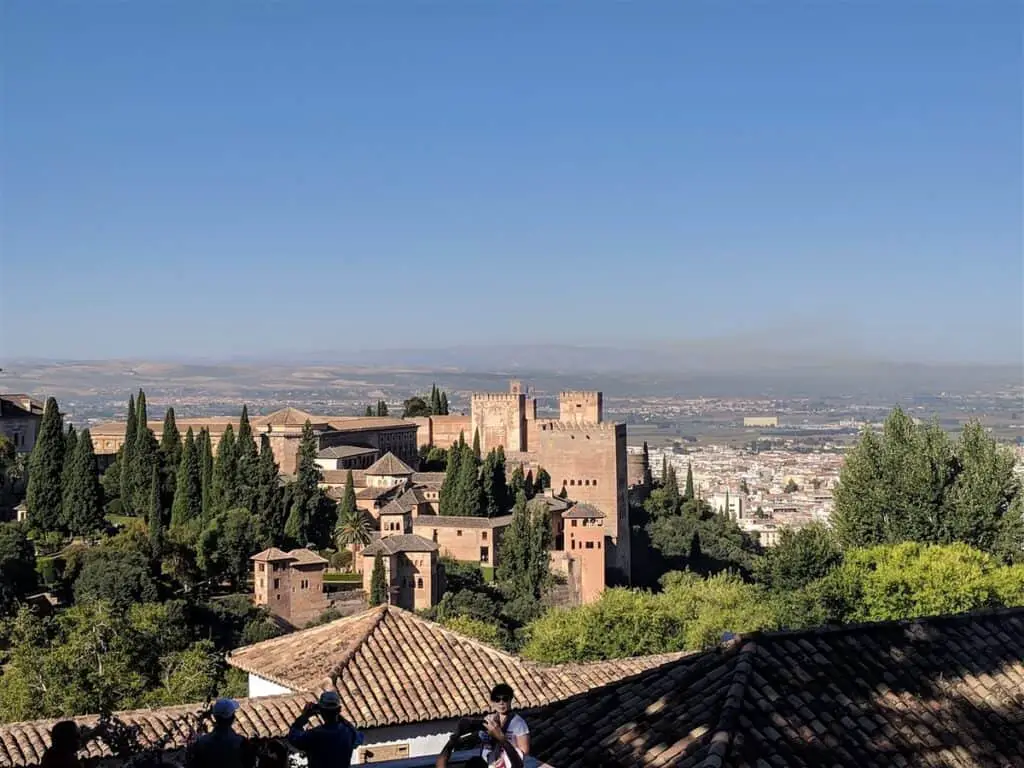
The name the ‘Alhambra’ includes the areas of:
- La Alcazaba
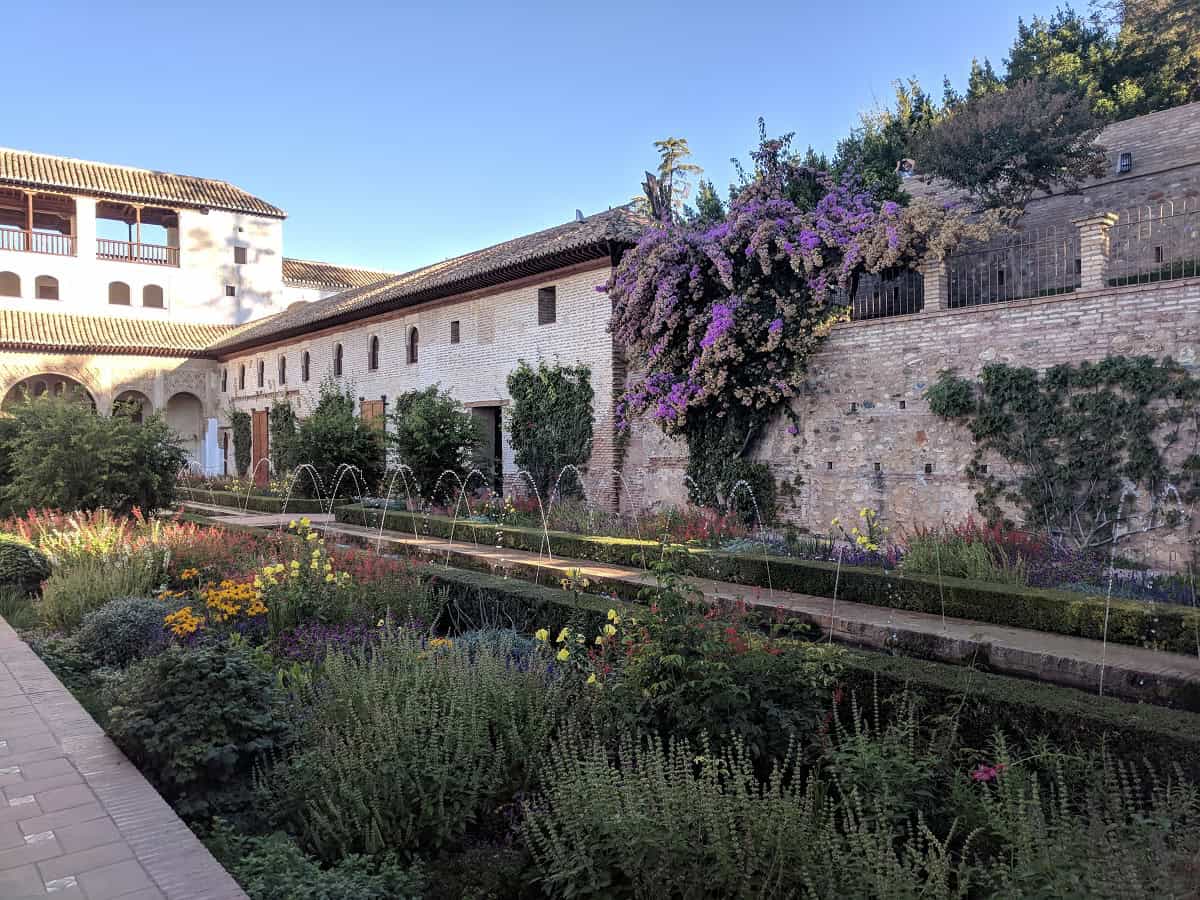
- Generalife
- The Nasrid Palaces
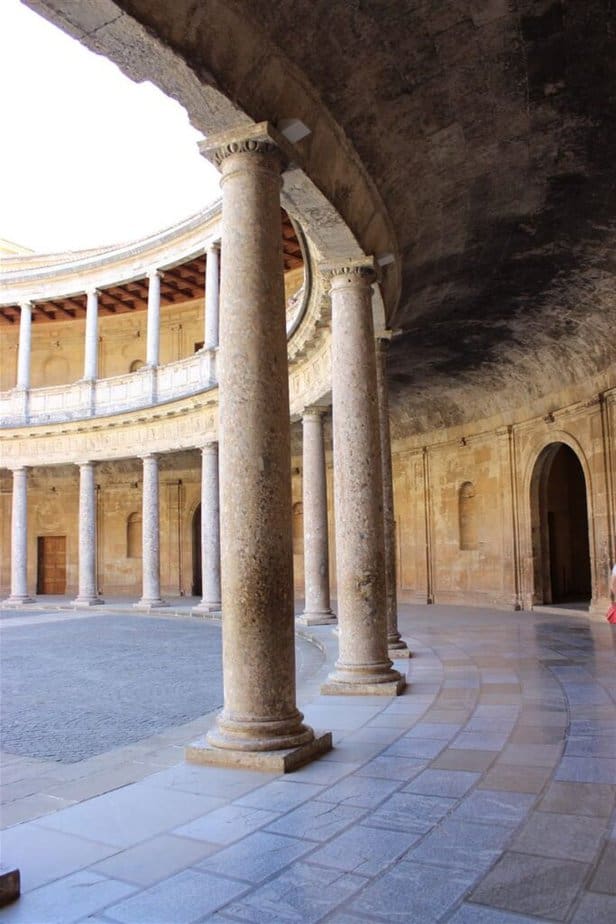
- Palacio Carlos V
TOP TIP: Book your ticket to the Alhambra as soon as possible. Tickets sell out fast. Book now.
This iconic UNESCO World Heritage Site holds centuries of cultural significance within its walls. The intricate details of the Nasrid Palaces and the Generalife gardens offer a glimpse into the past, where every corner tells a story. Guided tours provide valuable insights into the palace’s rich history, highlighting the legacy of the Catholic Monarchs, Ferdinand and Isabella.
Did you know: The Alhambra is the second most visited tourist attraction in Spain after the Sagrada Familia in Barcelona, so tickets sell out fast.
The Alhambra’s strategic hilltop location also offers panoramic views of the city. Visiting the Alhambra is a must for anyone seeking a deeper understanding of Spain’s diverse cultural tapestry.
Check out my guide to the Alhambra – includes map + all the sites to see.

2. Historic Albayzin Quarter
The historic Albayzin quarter is Granada’s old Muslim quarter. It beckons with its narrow streets and Moorish influence. The charm of its white-washed buildings and picturesque courtyards make it a wonderful place for a morning or afternoon stroll. It’s mix of a Moorish past and Spanish architecture make it one of the most authentic parts of the city.
Travel Tip: The C31 Bus loops through the Albayzin in a circular route to the Plaza Nueva every 8-15 minutes from 7am to 11pm.
Check out Calle Elvira, the main street lined with cafes and shops. This area comes alive in the late afternoon, offering stunning views of the Alhambra and the Sierra Nevada mountains. Take your time exploring this neighborhood and capturing the essence of Granada.
3. View from Mirador de San Nicolás
From Mirador de San Nicolás, visitors can relish breathtaking views of the city, including the imposing Alhambra against the backdrop of the Sierra Nevada mountains. The sight at sunset is especially mesmerizing, as the fading light paints the Alhambra in golden hues, creating a magical atmosphere.
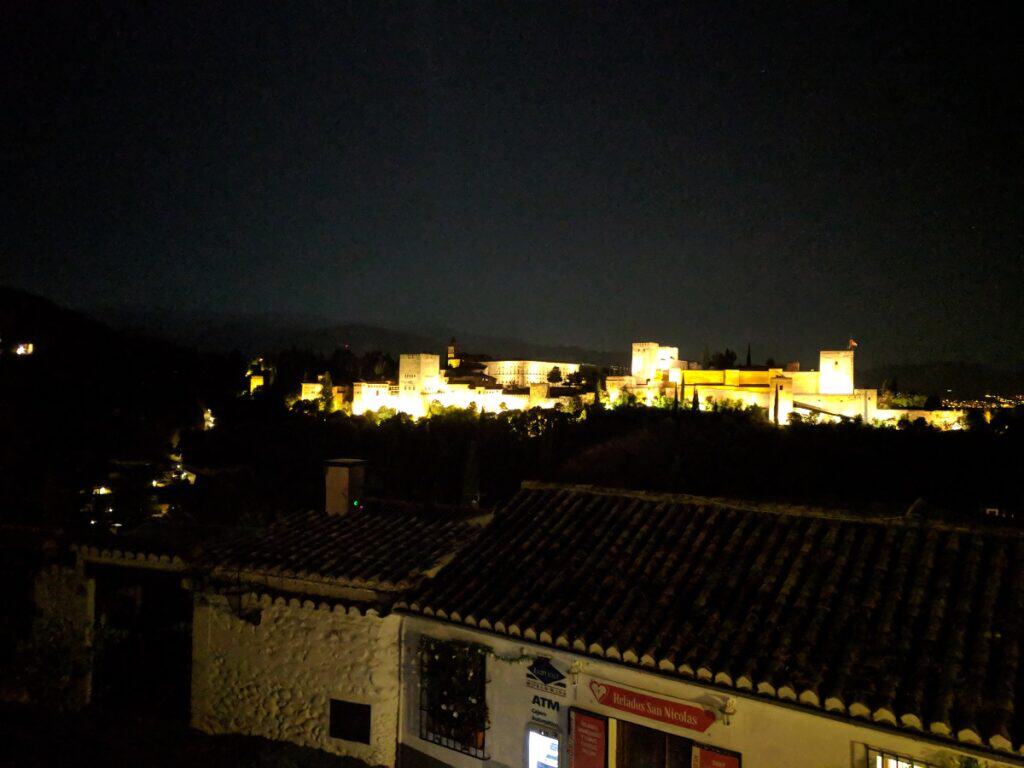
This spot is renowned for its postcard-worthy vistas, making it a favorite among photographers and tourists.
It is reached by via Callejon de San Cecilio. There are buskers setting the atmosphere often with traditional Spanish guitar music.
TOP TIP: There is a small grocery store as you walk up to Plaza de San Nicolas which is perfect for buying a beer to enjoy whilst watching the sun go down.
4. Baños Árabes El Bañuelo
Nestled in the heart of Granada, Baños Árabes El Bañuelo is a well preserved Moorish bathhouse. These ancient Arab baths date back to the 11th or 12th century, showcasing intricate Moorish architecture and design.
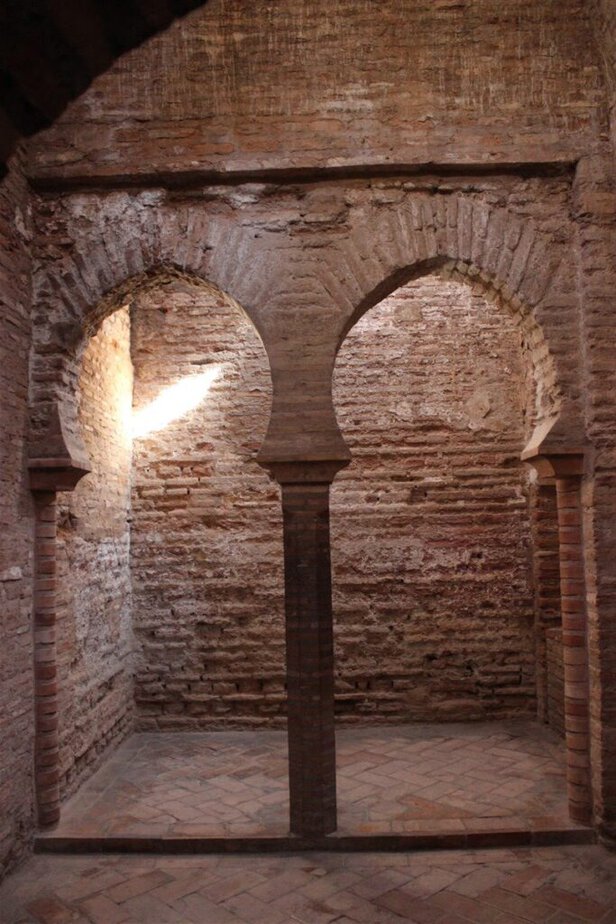
Visitors can wander through the baths, imagining what this social hub would have been like back in the 11th century when they would have been a social hub for locals. You can access the baths with your Alhambra ticket.
5. Palacio de Dar-al-Horra
Palacio de Dar-al-Horra is a historical palace located in the Albaicín neighborhood of Granada, Spain. It is located Originally built in the 15th century, this architectural gem served as the residence of Aixa, the mother of Boabdil, the last Nasrid King of Granada.
The palace boasts a unique blend of Moorish and Spanish Renaissance architectural styles, featuring intricate stucco work, beautiful courtyards and stunning views of the Alhambra and Sierra Nevada mountains.
The palace offers guided tours that provide insights into the lives of the Nasrid royalty and the legacy they left behind.
6. Casa Museo Max Moreau
This museum pays homage to the renowned Belgian artist Max Moreau, who made Granada his home. The museum showcases a diverse collection of Moreau’s paintings, sculptures and sketches, offering a glimpse into his creative process and the influence of Granada on his art. Visitors can explore the intimate galleries filled with colorful masterpieces that capture the essence of this enchanting city. Entry is free.
7. Iglesia de San Miguel Bajo
This charming church, in the heart of the Albaicín quarter, dates back to the 16th century. It’s one of the areas most impressive churches and has an incredible viewpoint across the city of Granada, Built on top of an old Mosque, Iglesia de San Miguel Bajo features beautiful Mudejar-style architecture with influences from both Moorish and Christian traditions.

You can climb the church tower which gives a great view across Granada of the Alhambra, the Generalife, Sierra Nevada, the Plaza de San Miguel Bajo and the Albayzin. A donation of Є2 is requested.
The church is located next to a small square with some restaurants which are a great place to sit and soak up the local atmosphere.
8. Capilla Real – Royal Chapel of Granada
This magnificent royal chapel houses the tombs of Catholic Monarchs Queen Isabella I and King Ferdinand II. The tombs are magnificent and were commissioned by the monarchs themselves. I would allow 40-60 minutes for your visit. Complimentary audio guides are included in the ticket price and are accessible through a downloadable app. Photography is sadly prohibited.
The sacristy houses a museum showcasing Fernando’s sword and Isabel’s silver septre, crown and art collection which includes Botticelli’s Prayer in the Garden.
€6 entry or included with the Granada card.
9. Catedral de Granada – Granada Cathedral
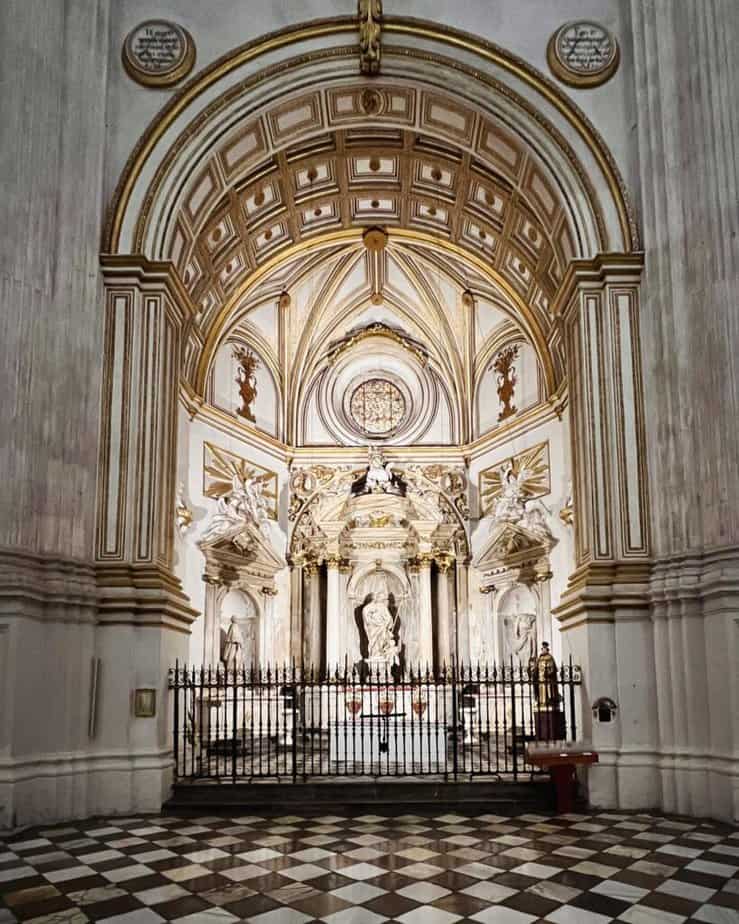
This cathedral is fascinating and one of the largest in Spain. Similar to the Royal Chapel, an audio guide is included, but don’t forget your headphones. It takes around 30-45 minutes to explore.
The chapel displays paintings by El Greco and Jesepe de Ribera. A visit to the cathedral is a refreshing escape from the summer heat.
10. Hunt for Treasures in Alcaicería
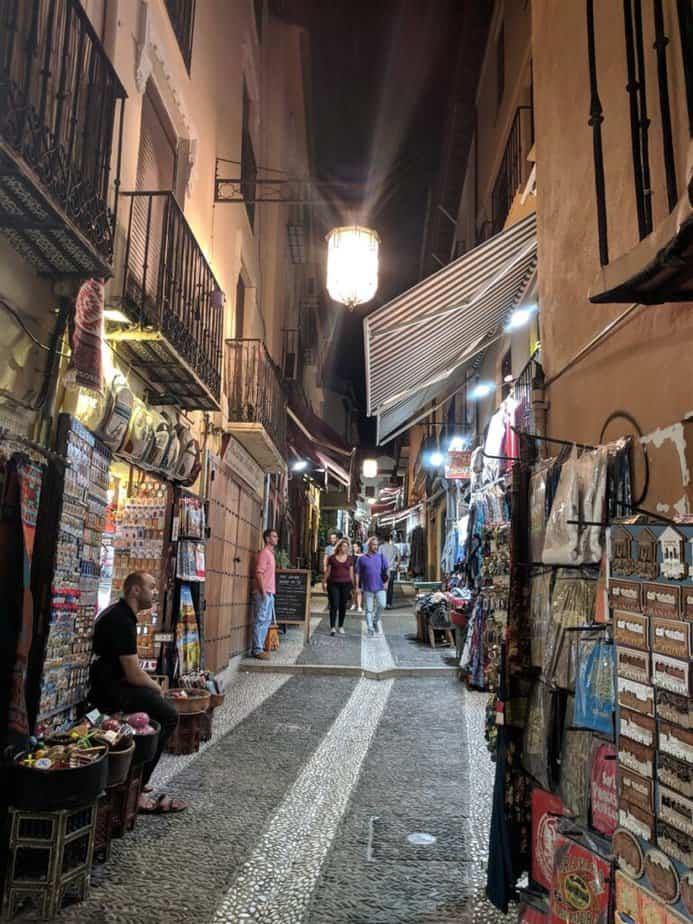
Off Calle Oficios, lies Alcaicería. A bustling marketplace with an array of souvenir shops selling handmade crafts. As you meander through the narrow streets you’ll encounter an eclectic mix of souvenirs, spices, textiles, and traditional Spanish trinkets. Don’t miss the opportunity to barter with local vendors.
11. Corral del Carbon
Corral del Carbon is an ancient Moorish inn dating back to the 14th century.
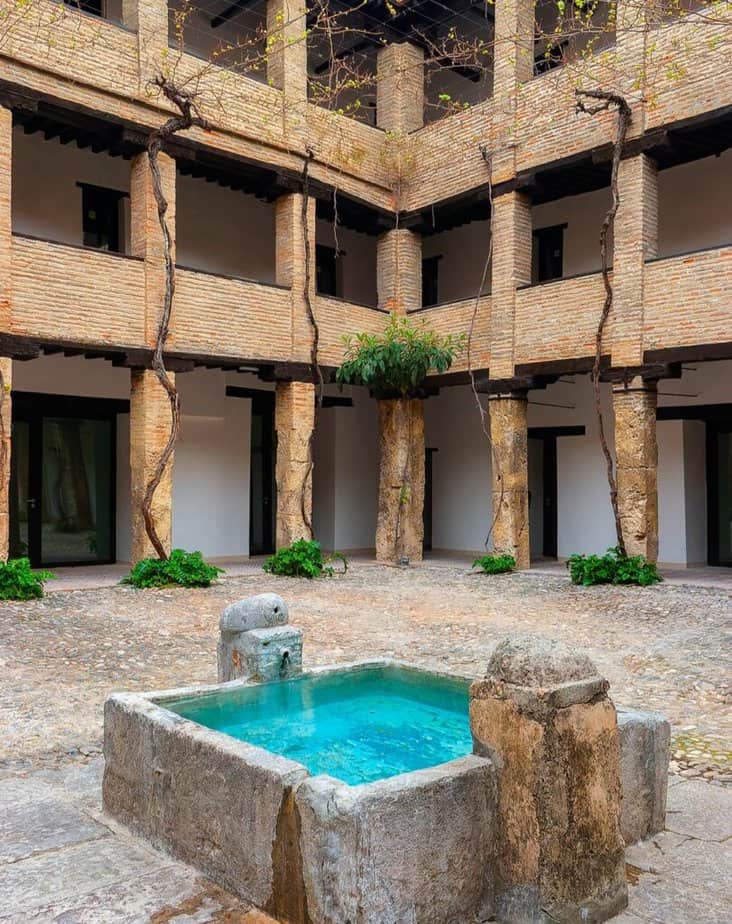
Originally, this building functioned as a corn exchange during the Nasrid era before being repurposed as an inn for coal dealers, hence its name. Explore the central courtyard and imagine the bustling activity that once took place here.
12. Sacromonte’s Cave Homes
Nestled in Granada’s Sacromonte district are unique cave homes carved into the hillside. Some of the cave home’s date from the 14th century.
The Museo Cuevas del Sacromonte enables you to see what a traditional cave home would have looked like. There are eleven caves, comprising a typical residence, a kitchen, a stable and caves exhibiting handicrafts like pottery, weaving and blacksmithing.
13. Abadia del Sacromonte
The Sacromonte Abbey can be easily accessed by taking the C34 bus from the city center (and walking back via the San Miguel viewpoint). The abbey is stunning, especially the cloisters and the church. The real highlight is the underground cave chapels. Please note it closes daily between 2-3pm.
14. Flamenco
The Sacromonte neighborhood is renowned for its flamenco performances and it’s essential you experience a Flamenco show when you visit. This unique neighborhood is renowned for its historic caves that set the stage for an authentic Flamenco performance. As the rhythmic beats of the music fill the air, you can’t help but be captivated by the passion and intensity of the dancers.
The soul-stirring performance provides a glimpse into Spain’s rich history and artistic heritage, making it a must-see during your visit. Discover the raw emotions conveyed through every movement, as Flamenco showcases the connection between music, dance, and storytelling.
15. Famous Street Art
El Niño de las Pinturas, also known as Raúl Ruiz, is a well-known street artist from Spain who started his career in the 90s. His street artworks adorn walls, buildings, and corners in numerous cities worldwide, including Portugal, the Netherlands, Italy, Venezuela, Hungary, Belgium, and France. In Granada, El Niño de las Pinturas has embellished the Realejo neighborhood with his creations, which often incorporate human faces and machinery gears arranged in circular patterns. You can view his work at restaurant Hiccuri and bar Candela which is opposite.
16. Arab Baths – Hammam Al Andalus Granada
Immerse yourself in this spa oasis. Intricate Islamic design and warm waters create a tranquil ambiance – a great way to relax after a day of sightseeing! You can enjoy a traditional hammam session as part of a holistic spa experience.
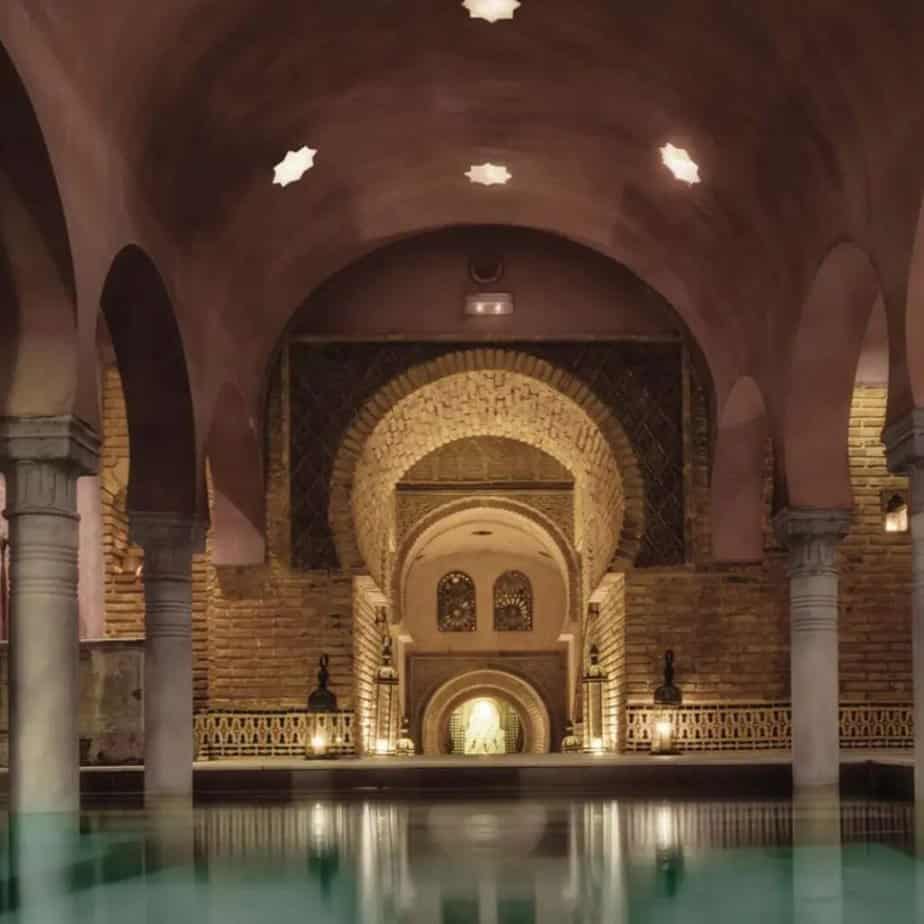
The staff are proficient in multiple languages and provide excellent guidance throughout the entire experience. The massage was a pleasant addition but it wasn’t the best massage i’ve had abroad. I would say a 30-minute session is enough to soak up the experience. Remember to bring your swimsuit.
17. Tapas Tour
Embark on a culinary adventure in Granada by indulging in a tapas tour, a quintessential experience in Spain. The city’s vibrant food scene showcases a mix of traditional Andalusian flavors at local bistros and the best tapas bars. Each bite carries a story of Spanish history and culinary artistry, offering a delightful insight into the region’s gastronomy.
Uncover the essence of Granada’s cuisine as you sample an array of small plates bursting with flavors, from rich and savory to light and refreshing. A tapas tour not only satisfies your taste buds but also provides a cultural immersion, allowing you to savor the city’s culinary heritage in every delectable bite. Don’t miss this opportunity to explore Granada through its gastronomic delights, making the most of your visit to this enchanting city.
18. Colorful Streets of Realejo
Strolling through the colorful streets of Realejo immerses you in the vibrant atmosphere of Granada. This charming neighborhood, once home to the city’s Jewish community, boasts a rich history evident in its narrow streets and traditional houses. As you wander, you’ll encounter cozy cafes, artisan shops, and quaint squares where locals gather.
The mix of historical architecture and modern amenities provides a unique blend that makes Realejo a must-visit destination. From Calle Elvira to Plaza Nueva, each corner tells a story, offering a glimpse into the dynamic essence of Granada. Exploring Realejo is like stepping back in time while enjoying the contemporary energy of the city.
19. Sample Traditional Andalusian Cuisine at Local Bistro
From hearty stews to delectable seafood platters, the menu at these bistros showcases the essence of Andalusian cooking. Don’t miss the opportunity to taste iconic dishes like gazpacho, paella, and an array of tapas bursting with Spanish flavors. Pair your meal with a glass of local wine or refreshing sangria for a truly authentic experience that will tantalize your taste buds and leave you craving more of Granada’s gastronomic delights.
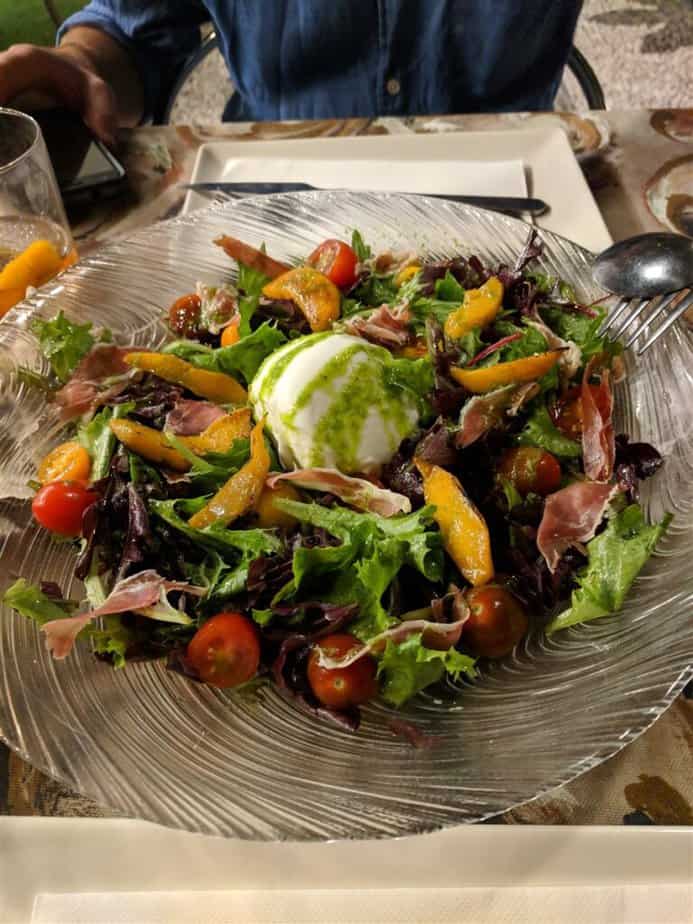
20. Try Granada’s Best Tapas Bars
These culinary hotspots offer a taste of Andalusia’s rich gastronomic heritage. Dive into local favorites like “tortilla española” or “patatas bravas” paired with a glass of refreshing “tinto de verano.” One noteworthy spot is Bodegas Castañeda, where traditional bites are savored amidst a historic ambiance. For a modern twist, head to Los Diamantes and relish their fresh seafood tapas. Don’t miss Bar Poe for innovative tapas creations that tantalize the taste buds. Granada’s tapas culture is a delightful journey through Spanish cuisine, where each bite tells a story of the city’s vibrant culinary scene. Sampling tapas is not just a meal but an experience.
21. San Juan de Dios Museum
Nestled in the heart of Granada, the San Juan de Dios Museum offers a captivating journey through the city’s history and culture. This museum provides insights into the legacy of healthcare and the evolution of medical practices, making it a unique attraction for visitors intrigued by the human body’s intricacies. Exploring the exhibits, including historical medical equipment and artifacts, allows guests to appreciate the advancements in medicine over the centuries.
Moreover, the museum’s architectural beauty, with its ornate Spanish Renaissance style, enhances the overall experience, making it a must-visit for history enthusiasts and those fascinated by the evolution of healthcare. A visit to the San Juan de Dios Museum provides a deeper understanding of Granada’s significant contributions to medicine and offers a unique perspective on the city’s rich cultural tapestry.
22. Granada Fine Arts Museum
Immerse yourself in the vibrant cultural scene of Granada at the Fine Arts Museum, where artistic treasures await your discovery. This museum houses a diverse collection of artworks, offering insights into different periods and styles. From exquisite Spanish Renaissance pieces to contemporary gems, the museum provides a rich tapestry of artistic expression.
Explore the galleries showcasing masterpieces that reflect the city’s historical and cultural significance, providing a deeper understanding of Granada’s artistic heritage. Delve into the world of renowned artists and local talents, each piece narrating a unique story and evoking emotions. The Fine Arts Museum is a must-visit for art enthusiasts seeking to appreciate the creativity and vision that define Granada’s artistic landscape.
23. Walk in the Sierra Nevada National Park
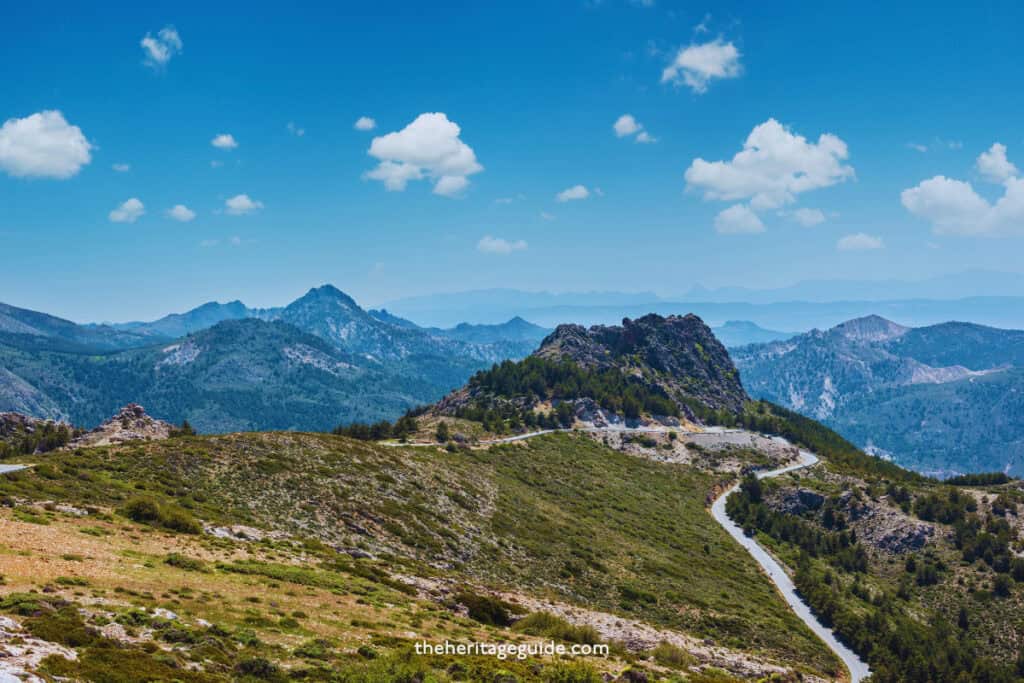
The Sierra Nevada National Park is perfect for hiking enthusiasts. The park’s diverse trails cater to all levels of hikers, promising breathtaking views of the surrounding Mountains. From leisurely walks to challenging treks, the park’s natural beauty and tranquility make it a haven for outdoor adventurers.
Exploring the park’s rugged terrain allows visitors to immerse themselves in the region’s stunning landscapes and observe its unique flora and fauna. Whether you are a seasoned hiker or a novice seeking adventure, the Sierra Nevada National Park is a must-visit destination for nature lovers and outdoor enthusiasts alike.
24. Carmen de los Mártires Gardens
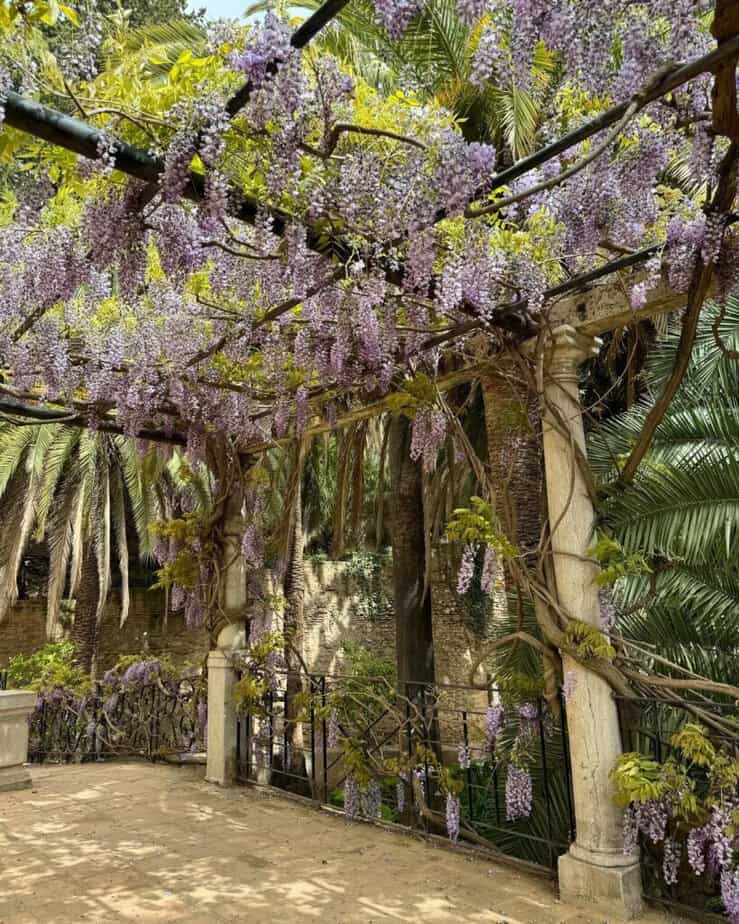
These charming gardens, located on the hillside south of the Alhambra, offer a serene escape from the crowds of the Alhambra. They are completely free to visit and feature amazing views of Granada and Sierra Nevada mountains.
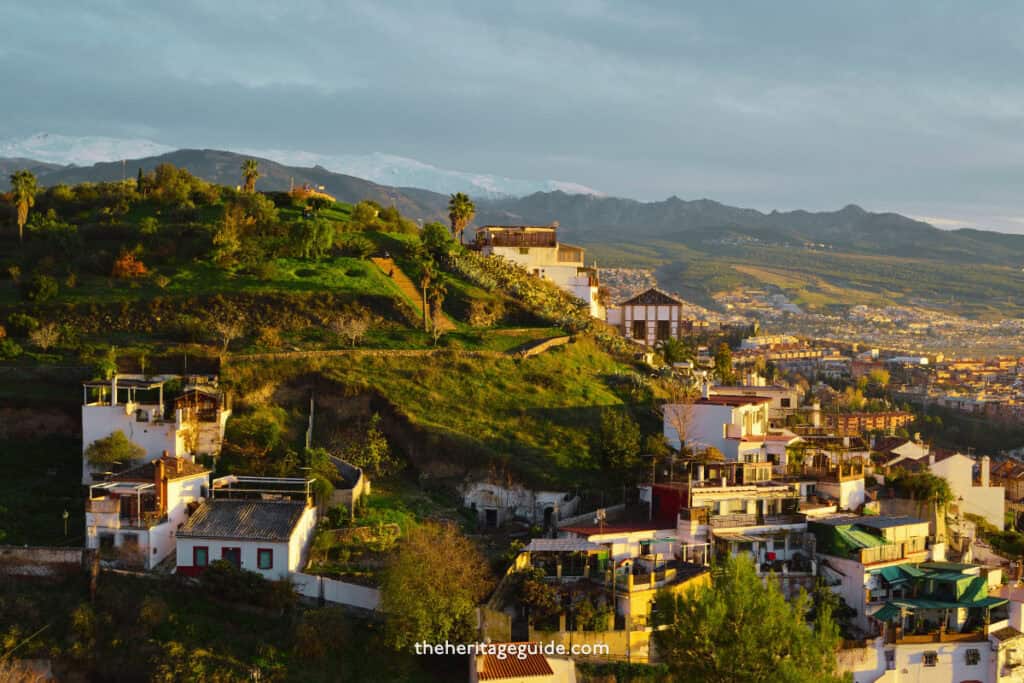
Visitors have the opportunity to stroll across manicured lawns, appreciate the ancient trees and listen to the lovely fountains scattered throughout. See if you can spot the local peacock that calls this place home.
Festivals Held in Granada
In addition to its rich history and cultural offerings, Granada also boasts a vibrant festival scene with various fiesta’s held throughout the year in the city.
Semana Santa – Mar/April for Holy Week
One of the most famous festivals held in Granada is Semana Santa, which takes place in March or April. During this time, the city comes alive with colorful processions, music and traditional celebrations for Easter’s Holy Week. The two main events are:
Los Gitanos – Wednesday: Members of the brotherhood parade to the Abadia del Sacromonte.
El Silencio – Thursday: the city’s streetlights are turned off for an atmospheric candlelit march.
Locals and visitors gather to witness elaborate floats and religious displays parading through the streets. creating a truly immersive experience in Spanish tradition and community spirit. Semana Santa is just one example of how Granada’s festivals offer a
Feria del Corpus Christi – May/June
This is Granada’s big yearly party. Held around 60 days after Easter, it features flamenco dancing, processions and various parades. Bullfighting (which you may wish to avoid) is also part of the event.
Festival Internacional de Musica y Danza – June & July
First class traditional and contemporary music and dancing performances take place throughout the city including the Alhambra and at other historical sites.
A brief history of Granada
Pre-Roman and Roman Periods (Before 5th Century):
Granada’s roots can be traced back to prehistoric times, with the earliest known settlements in the area dating back to at least the 8th century BCE. The region was initially inhabited by the Iberians, followed by the Phoenicians and Carthaginians. The Romans arrived in the 3rd century BCE, establishing the city of Illiberis. The Roman influence brought infrastructure, such as roads and aqueducts, laying the groundwork for future prosperity.
Visigothic Rule (5th – 8th Century):
With the decline of the Roman Empire, the Visigoths took control of the Iberian Peninsula, including Illiberis. This period saw the spread of Christianity and the establishment of the early Christian Church in the region.
Moorish Conquest and the Rise of Granada (711 – 13th Century):
In 711, the Moors, led by Tariq ibn Ziyad, invaded the Iberian Peninsula, marking the beginning of Muslim rule. The city, renamed Ilbira and later Elvira, became a significant Muslim settlement. By the 11th century, the Zirid dynasty founded the Kingdom of Granada, relocating the capital to its current location. This move was strategic, both for defense and access to water from the Darro and Genil rivers.
The Nasrid Dynasty and the Alhambra (1238 – 1492):
Granada’s golden age began with the establishment of the Nasrid dynasty in 1238 by Muhammad I. This period saw the construction of the Alhambra, a magnificent palace-fortress that remains one of Spain’s most iconic landmarks. The Nasrid period was marked by cultural and scientific advancements, as well as flourishing trade and agriculture. Granada became a hub of art, literature, and science, attracting scholars and artists from across the Muslim world.
The Reconquista and Catholic Monarchs (1492):
Granada’s history took a dramatic turn in 1492 when it was the last Muslim stronghold to fall to the Catholic Monarchs, Ferdinand II of Aragon and Isabella I of Castile. The Reconquista, a centuries-long campaign to reclaim Iberian territories from Muslim rule, culminated in the surrender of Granada on January 2, 1492. This event marked the end of Muslim rule in Spain and the beginning of a new era under Christian rule.
Post-Reconquista and Renaissance Period (16th – 17th Century)
Following the Reconquista, Granada underwent significant changes. The Catholic Monarchs implemented policies to Christianize the city, leading to the conversion or expulsion of its Muslim and Jewish populations. The construction of the Granada Cathedral, a masterpiece of Spanish Renaissance architecture, began in 1523 on the site of the former Great Mosque. This period also saw the construction of other notable buildings, such as the Royal Chapel, where Ferdinand and Isabella are buried.
Modern Era and the Spanish Civil War (19th – 20th Century:
The 19th and 20th centuries were times of transformation and turmoil for Granada. The city experienced modernization, with the introduction of railways and new industries. However, the Spanish Civil War (1936-1939) brought significant hardship. Granada was initially a Nationalist stronghold, but the war left deep scars on the city’s social fabric. Post-war, Granada continued to evolve, becoming a key cultural and tourist destination.
Granada Today:
Today, Granada is a vibrant city that beautifully blends its historical heritage with modernity. The Alhambra, a UNESCO World Heritage site, remains a symbol of the city’s rich past. The narrow, winding streets of the Albaicín, the old Moorish quarter, offer a glimpse into Granada’s Islamic heritage, while the bustling squares and tapas bars reflect its lively present.
Interesting Granada Facts
– The Alhambra was originally designed as a military zone but later became a royal residence. Its intricate designs and beautiful gardens are a testament to Moorish architectural brilliance.
– Washington Irving, the famous American writer, lived in the Alhambra in the 19th century and wrote “Tales of the Alhambra,” which helped bring international attention to the palace.
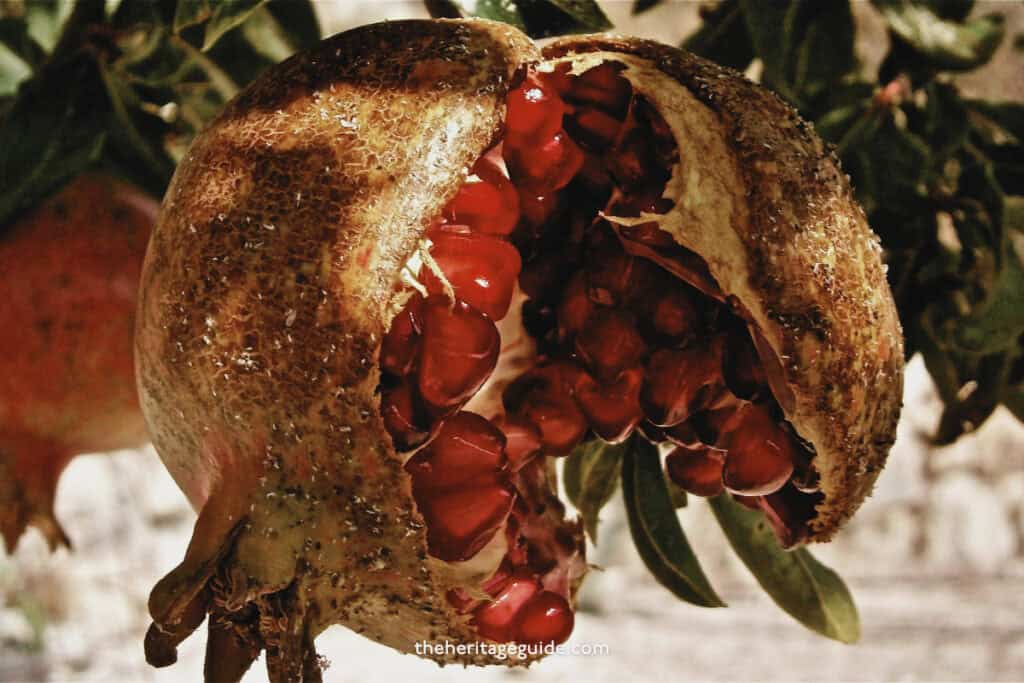
– The name “Granada” means “pomegranate” in Spanish, and the fruit is a symbol of the city, often seen in its heraldry and architecture.
Frequently Asked Questions
Is Granada, Spain worth visiting?
Yes, Granada has a rich history, stunning architecture, and vibrant culture. It is considered one of the most beautiful cities in Spain and Europe. From the iconic Alhambra to the charming streets of the Albayzin neighborhood, Granada offers a unique and unforgettable experience for visitors.
What is the best time of year to visit Granada, Spain?
The best time to visit Granada is in the spring (April/May) and autumn (September/October), when the weather is pleasant and the crowds are smaller. The summer months can be quite hot and crowded so it’s best to avoid visiting during that time if possible.
How many days are recommended for a visit to Granada?
For a first-time visit to Granada, I recommend dedicating two days to fully explore the city and its attractions. This allows enough time to visit the Alhambra and explore the city at a relaxed pace. You could easily visit for a day if you prioritise seeing the Alhambra and get there early.
Can you visit the Alhambra without a guide?
Yes, you can visit the Alhambra without a guide. However, it is highly recommended to take a guided tour to fully understand the history and significance of this iconic complex. Guided tours provide valuable insights and help you make the most of your visit.
What are some must-try foods in Granada?
When in Granada, don’t miss the opportunity to try the local tapas, which are often served for free with a drink order. Some must-try dishes include tortilla española (Spanish omelette), jamón ibérico (Iberian ham), and patatas bravas (fried potatoes with spicy sauce). Granada is also known for its Moorish-inspired cuisine, so be sure to try dishes like gazpacho and paella.
How do I get around Granada, Spain?
Getting around Granada is relatively easy. You can explore the city on foot, as many of the top attractions are within walking distance of each other. Taxis and public transportation are also available for longer distances. Consider taking a walking tour to get a better understanding of the city’s history and culture.
With its rich Moorish heritage and stunning views of the Sierra Nevada mountains, Granada captivates visitors with its undeniable charm. Whether you’re a history buff, a food enthusiast, or a nature lover, Granada has something for everyone.